


The Ultimate Guide to BMW Rebuild Engine: Tips, Tricks, and Cost Analysis
Rebuilding a BMW engine can seem like a daunting task, but with the right knowledge and tools, it can be a rewarding experience. This guide will walk you through the entire process, from understanding the steps involved to choosing the best parts and even analyzing costs. Whether you’re a seasoned mechanic or a first-time DIYer, our tips and tricks will help you tackle your BMW engine rebuild with confidence.
Key Takeaways
- Rebuilding an engine requires understanding its key components and common issues that lead to rebuilds.
- Having the right tools and equipment is crucial for a successful engine rebuild.
- Costs can vary widely, so it’s important to analyze parts and labor when considering a rebuild.
- Avoid common mistakes by following expert advice and tips tailored for beginners.
- Post-rebuild maintenance is essential to ensure your engine runs smoothly for years to come.
Understanding the BMW Rebuild Engine Process
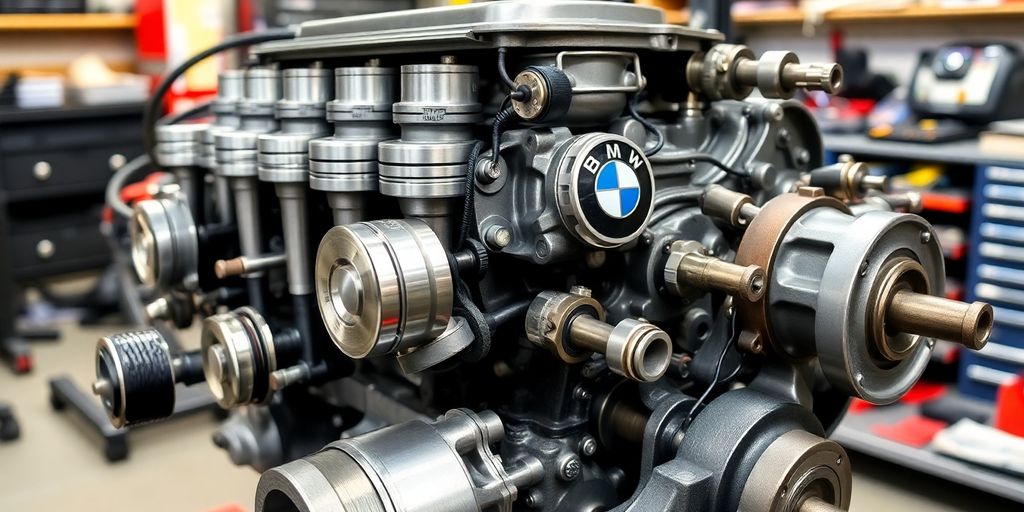
Rebuilding a BMW engine can be a rewarding yet complex task. Understanding the process is crucial for anyone considering this project. Here’s a breakdown of the key components and steps involved:
Key Components Involved in a BMW Engine Rebuild
- Engine Block: The main structure that houses the cylinders.
- Pistons: Move up and down within the cylinders to create power.
- Crankshaft: Converts the linear motion of the pistons into rotational motion.
- Cylinder Head: Contains the valves and is crucial for airflow.
Common Reasons for Rebuilding a BMW Engine
- Overheating: Can cause severe damage to engine components.
- Oil Leaks: Persistent leaks can lead to low oil levels and engine failure.
- Loss of Power: A noticeable drop in performance may indicate internal issues.
Step-by-Step Guide to Rebuilding a BMW Engine
- Diagnosis: Identify the issues that necessitate a rebuild.
- Disassembly: Carefully take apart the engine, labeling parts as you go.
- Inspection: Check all components for wear and damage.
- Replacement: Order necessary parts, considering OEM or aftermarket options.
- Reassembly: Follow the reverse order of disassembly, ensuring everything is torqued to specifications.
- Testing: Once reassembled, run the engine to check for any issues.
Rebuilding an engine is not just about replacing parts; it’s about ensuring that every component works together seamlessly for optimal performance.
This process can be intricate, but with the right knowledge and tools, you can successfully rebuild your BMW engine. Remember, a six-cylinder engine can be rebuilt to original specification for around $500 to $600, while an eight-cylinder engine will cost around $600 to $700 to rebuild. Understanding these costs can help you plan your project effectively.
Essential Tools and Equipment for BMW Engine Rebuild
Must-Have Tools for DIY BMW Engine Rebuild
To successfully rebuild a BMW engine, you need the right tools. Here are some essential tools:
- Socket set: A comprehensive set is crucial for various bolts and nuts.
- Torque wrench: Ensures that you apply the correct amount of force when tightening bolts.
- Pliers and screwdrivers: Useful for gripping and turning components.
Specialized Equipment for BMW Engines
In addition to basic tools, specialized equipment can make your rebuild easier:
- Engine hoist: Helps lift the engine out of the car safely.
- Engine stand: Provides a stable platform for working on the engine.
- Measuring tools: Such as calipers and micrometers for precise measurements.
Where to Buy or Rent BMW Engine Rebuild Tools
You can find tools at various places:
- Local auto parts stores: Often have a selection of tools for purchase.
- Online retailers: Websites like Amazon or specialized auto parts sites.
- Tool rental services: Many auto parts stores offer rental options for expensive tools.
Having the right tools is essential for a successful engine rebuild. It can save you time and prevent mistakes during the process.
| Tool Type | Purchase Options | Rental Options |
|---|---|---|
| Socket set | Auto parts stores | N/A |
| Torque wrench | Online retailers | Local auto parts stores |
| Engine hoist | Specialized auto shops | Tool rental services |
Cost Analysis of Rebuilding a BMW Engine
Breakdown of Parts and Labor Costs
When considering a BMW engine rebuild, it’s essential to understand the costs involved. On average, an engine rebuild usually ranges between $2,500 and $4,000. This cost can vary based on several factors:
- Parts: Quality and type of parts used can significantly affect the total cost.
- Labor: Mechanic rates can differ based on location and expertise.
- Additional Repairs: Sometimes, other issues may arise that need fixing during the rebuild.
| Cost Component | Estimated Cost |
|---|---|
| Parts | $1,500 – $2,500 |
| Labor | $1,000 – $1,500 |
| Miscellaneous Fees | $200 – $500 |
Comparing Costs: Rebuild vs. Replace
When deciding whether to rebuild or replace your engine, consider the following:
- Rebuild Costs: Generally lower than replacement.
- Replacement Costs: On average, an engine replacement costs between $4,000 and $6,000.
- Vehicle Value: Assess the value of your car post-repair versus the cost of a new vehicle.
Tips for Saving Money on BMW Engine Rebuilds
To keep costs down during a rebuild, consider these tips:
- DIY Work: If you have the skills, doing some work yourself can save on labor costs.
- Source Parts Wisely: Look for deals on parts or consider used parts in good condition.
- Get Multiple Quotes: Always compare prices from different mechanics to find the best deal.
Remember, while saving money is important, quality should never be compromised. A well-done rebuild can extend the life of your BMW significantly.
Tips and Tricks for a Successful BMW Engine Rebuild
Avoiding Common Mistakes During Rebuild
- Plan Ahead: Before starting, make a detailed plan of the rebuild process. This helps in avoiding confusion later.
- Label Everything: As you disassemble parts, label them clearly. This will save time when reassembling.
- Double-Check Measurements: Always measure parts like gaskets and bolts to ensure they fit correctly.
Expert Tips for First-Time Rebuilders
- Take Your Time: Rushing can lead to mistakes. Take breaks if needed.
- Consult Forums: Online communities, like the BMW 3-Series (E90 E92) forum, can provide valuable insights and experiences from other rebuilders.
- Document Your Work: Keep a journal or take photos during the rebuild. This can help you remember the order of assembly.
How to Ensure Long-Term Reliability
- Use Quality Parts: Invest in high-quality components to avoid future issues.
- Follow Break-In Procedures: After the rebuild, follow the recommended break-in period to ensure everything settles properly.
- Regular Maintenance: Schedule routine checks to catch any potential problems early.
Remember, a successful rebuild not only depends on the parts but also on the care and attention you give to the process. Planning and patience are key!
Choosing the Right Parts for Your BMW Engine Rebuild
OEM vs. Aftermarket Parts: Pros and Cons
When rebuilding your BMW engine, you have two main options for parts: OEM (Original Equipment Manufacturer) and aftermarket parts. Here’s a quick comparison:
| Type | Pros | Cons |
|---|---|---|
| OEM | – Guaranteed fit and quality |
- Often comes with warranty
- Maintains vehicle value | – Generally more expensive
- Limited availability for older models |
| Aftermarket | – Usually cheaper - Wider variety of options
- Can enhance performance | – Quality can vary
- May not fit perfectly
- Limited warranty options |
Where to Source Quality BMW Engine Parts
Finding the right parts is crucial for a successful rebuild. Here are some reliable sources:
- Authorized BMW dealerships: Best for OEM parts.
- Reputable online retailers: Look for reviews and ratings.
- Local salvage yards: Great for used parts at lower prices.
Understanding Part Numbers and Compatibility
Before purchasing parts, it’s essential to understand part numbers. Here’s how:
- Check your vehicle’s manual: It often lists the part numbers you need.
- Use online databases: Websites like RealOEM can help you find the right parts.
- Consult with experts: Don’t hesitate to ask mechanics or enthusiasts for advice.
Choosing the right parts is vital for ensuring your engine runs smoothly and lasts longer. Investing in quality components can save you money in the long run.
Make sure to keep these tips in mind when selecting parts for your BMW engine rebuild!
Maintenance and Care Post BMW Engine Rebuild
Initial Break-In Period Guidelines
After rebuilding your BMW engine, the first few hundred miles are crucial. During this break-in period, avoid heavy acceleration and high RPMs. This helps the engine components settle properly. Here are some guidelines to follow:
- Drive gently for the first 500 miles.
- Avoid towing or carrying heavy loads.
- Change the oil and filter after the first 1,000 miles to remove any debris.
Routine Maintenance Tips
To keep your rebuilt engine running smoothly, regular maintenance is key. Here are some essential tips:
- Check and change the oil regularly, ideally every 5,000 miles.
- Monitor coolant levels and ensure the system is free of leaks.
- Inspect belts and hoses for wear and replace them as needed.
Signs of Potential Issues After Rebuild
Even after a successful rebuild, watch for signs that something might be wrong. Look out for:
- Unusual noises, such as knocking or ticking sounds.
- Oil leaks around the engine.
- Overheating or fluctuating temperature gauges.
Keeping an eye on your engine’s performance can help you catch problems early. Regular checks can save you from costly repairs down the line.
Summary
Maintaining your BMW after an engine rebuild is essential for longevity. Following the break-in guidelines, sticking to a routine maintenance schedule, and being alert to potential issues will help ensure your engine lasts for many miles to come. Remember, proper care can help you!
Finding Professional Help for BMW Engine Rebuilds
How to Choose a Reputable BMW Mechanic
When looking for a mechanic, make sure they are experienced with BMWs. Here are some tips:
- Check online reviews and ratings.
- Ask for recommendations from fellow BMW owners.
- Verify their certifications and experience with BMW models.
Questions to Ask Your Mechanic
Before committing to a rebuild, ask your mechanic these important questions:
- What is your experience with BMW engine rebuilds?
- Can you provide references from previous customers?
- What warranties do you offer on your work?
Understanding Warranty and Service Guarantees
A good mechanic should provide a warranty on their work. This can include:
- Parts warranty: Covers the cost of parts if they fail within a certain period.
- Labor warranty: Covers the cost of labor if the repair fails due to workmanship.
- Always read the fine print to understand what is covered.
Finding the right mechanic can save you time and money in the long run. Don’t rush the process; take your time to find someone you trust.
In summary, when seeking professional help for your BMW engine rebuild, focus on finding a mechanic with experience, ask the right questions, and ensure you understand the warranty offered. This will help you make an informed decision and ensure your engine rebuild is successful.
Highlight: Finding a reputable BMW mechanic is crucial for a successful rebuild.
BMW auto repair specialists can provide the expertise you need.
Final Thoughts on Rebuilding Your BMW Engine
Rebuilding a BMW engine can seem tough, but it’s a rewarding journey. With the right tools and knowledge, you can bring your engine back to life. Remember to plan carefully, gather all the parts you need, and don’t rush the process. It’s also smart to budget for unexpected costs. Whether you’re doing it yourself or getting help from a mechanic, take your time to ensure everything is done right. In the end, you’ll not only save money but also gain a deeper understanding of your car. Happy rebuilding!
Frequently Asked Questions
What is involved in rebuilding a BMW engine?
Rebuilding a BMW engine includes taking it apart, checking all the parts, and replacing damaged ones. You also clean everything and put it back together carefully.
Why would someone need to rebuild their BMW engine?
People usually rebuild their BMW engines because they have issues like overheating, knocking sounds, or oil leaks. It’s often done to restore performance.
How long does it take to rebuild a BMW engine?
The time it takes to rebuild a BMW engine can vary. It usually takes a few days to a couple of weeks, depending on the complexity and parts needed.
What tools do I need for a BMW engine rebuild?
You’ll need basic tools like wrenches and screwdrivers, along with some specialized tools like a torque wrench and engine hoist for lifting heavy parts.
Is it cheaper to rebuild an engine or buy a new one?
Rebuilding an engine can be cheaper than buying a new one, especially if you have a good mechanic. However, it depends on the engine’s condition and parts.
How can I ensure my rebuilt BMW engine lasts long?
To make sure your rebuilt BMW engine lasts, follow the break-in period carefully, do regular maintenance, and watch for any signs of trouble.